
For laundromat owners
You’re counting quarters at 10pm.
I did too.
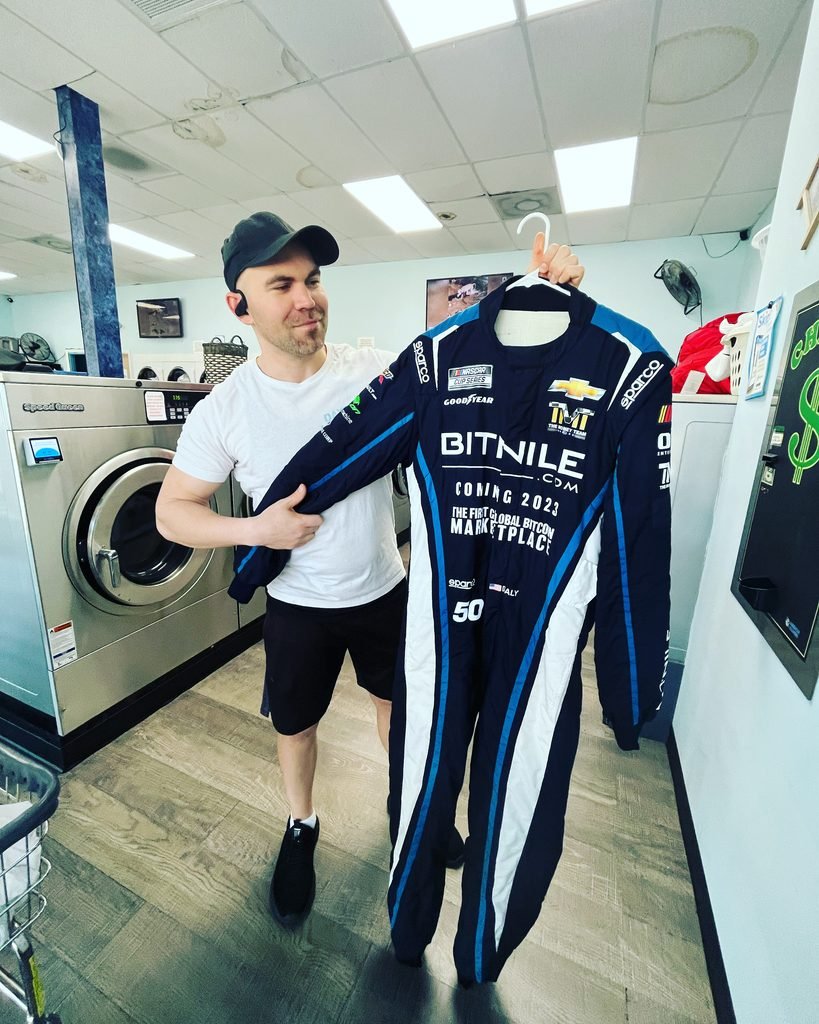
I owned and ran a laundromat before I did anyone’s taxes. I took over a store that was failing, turned it around, and sold it at a profit. I know what a drop is, why your utility bill is the number that keeps you up, and exactly how it feels to explain your business to an accountant who has never set foot in one.
Now I’m an Enrolled Agent. Same industry, other side of the desk.
Turns per day. Utility percentage. Vend price.
Your last accountant didn’t know what any of those were, and you had to teach them before you could ask your actual question.
Does any of this sound familiar?
Your coin total and your card total have never once agreed, and you’ve stopped trying to work out why.
You genuinely don’t know whether the second store is making money or the first one is carrying it.
Somebody told you to become an S-corp. Nobody told you what to pay yourself.
You bought a machine package and have no idea whether it got expensed correctly.
You worry that a cash business gets looked at harder, and you’re not wrong.
Your attendants are on 1099s because that’s how the last owner did it.
My Laundromat Ownership Story:
What I actually do for stores

Reconciling coin, card and app so the numbers finally tie out
Three revenue streams, three different reporting lags, and none of them line up with your bank deposits. I build a chart of accounts that separates vended wash, vended dry, card loads, app payments and wash-dry-fold, so you can see where the money is actually coming from instead of one lump called “sales.”
Card system reports, coin counts, deposit slips, and the timing differences between them. Once it’s set up properly it stays set up.
Getting the machine package deducted properly
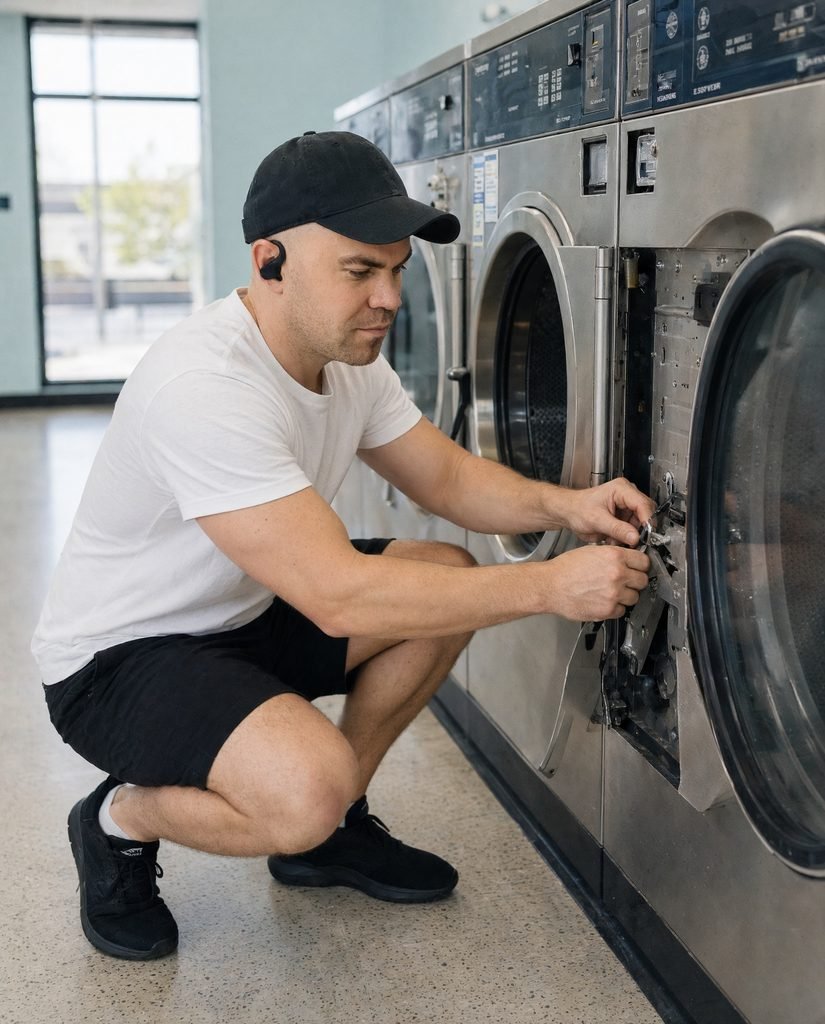
A re-equip is the biggest cheque most owners write, and how it gets treated changes your tax bill by tens of thousands. Section 179 versus bonus depreciation versus regular MACRS — they are not the same and the right answer depends on your income this year and next, not on which one sounds bigger.
Also: what’s a leasehold improvement and what’s equipment, financed purchases versus true leases, the boiler and the water heater, and whether you should accelerate a purchase into this December or push it to January.
A P&L per store that tells you something
If you run more than one location, a combined profit and loss statement hides exactly the thing you need to see. I split them, so utilities, payroll and revenue sit against the store that generated them.
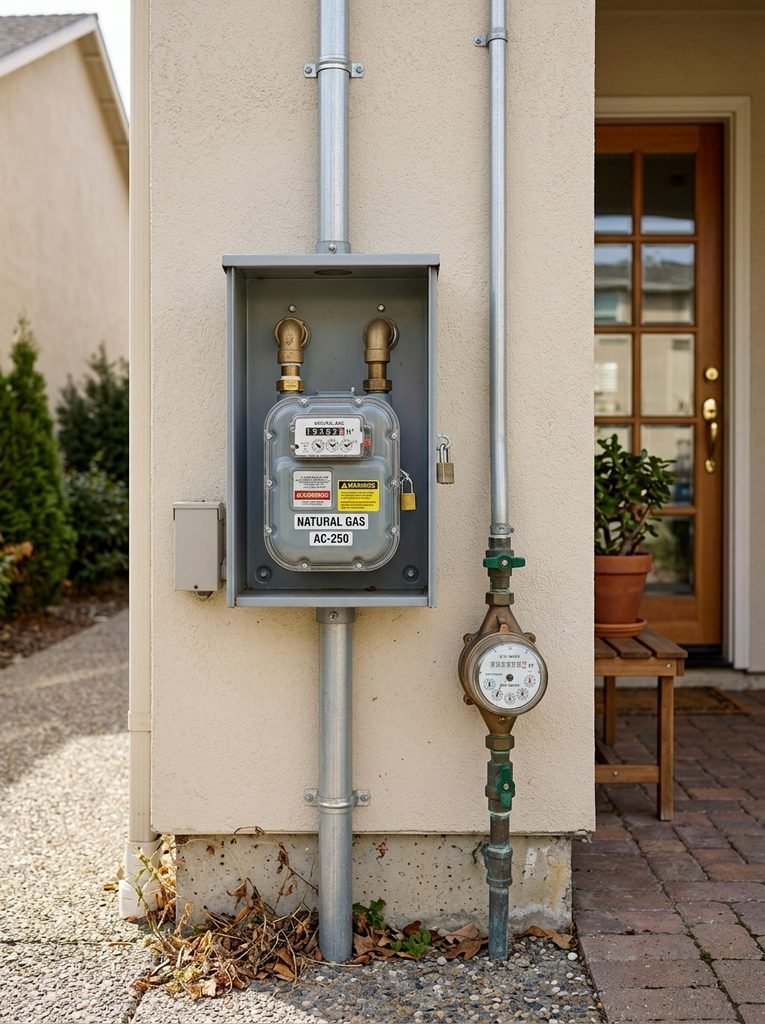
Then the ratios that actually matter: utilities as a percentage of revenue, payroll as a percentage of revenue, revenue per square foot, revenue per machine. Those numbers tell you whether a store has a pricing problem, an equipment problem or a traffic problem — and they are the first thing a buyer will ask for when you eventually sell.
Paying yourself without inviting a problem
If you’ve elected S-corp status, the IRS expects reasonable compensation before distributions, and “reasonable” is a facts-and-circumstances test that most owners have never had documented. I’ll run the analysis and write it down, so if it’s ever questioned there’s a defensible file rather than a shrug.
Also: whether the S-corp election is even worth it at your income, attendant and wash-dry-fold worker classification, and what happens if your 1099 attendants get reclassified.
Buying a store, or selling the one you have
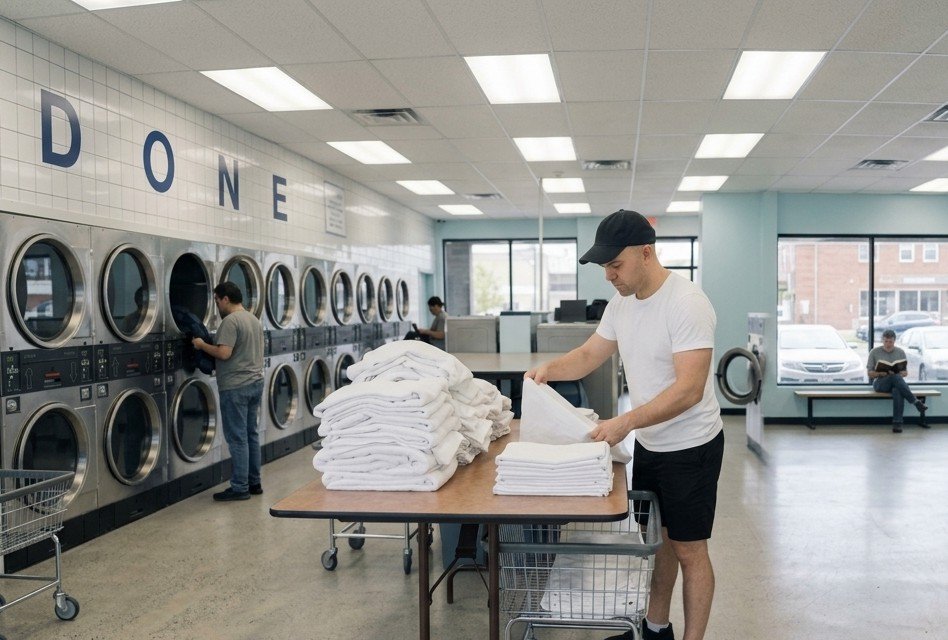
Buying: I’ll go through the seller’s numbers with you before you commit. Coin counts nobody can verify, revenue that includes a commercial account about to walk, deferred maintenance dressed up as “recently serviced.” Then the structuring — asset versus stock purchase, how the price gets allocated across equipment, lease and goodwill, and what that allocation does to your depreciation for the next seven years.
Selling: clean books raise your multiple, and they need to be clean well before you list. Start eighteen months out. I’ll also model what you actually keep after tax under different structures, which is usually a bigger number than negotiating harder on price.
Proof that I know the business:
And you can ask me about the business itself.
Not just the tax return. I ran a store. Most of what I learned had nothing to do with taxes.
EVERYTHING YOU CAN TALK TO ME ABOUT:
Money coming in
- How do I reconcile coin, card and app revenue against my bank deposits?
- Why do my numbers never tie out, and which one is wrong?
- How often should I be collecting?
- How do I know if an employee is skimming?
- Should I go cardless, coin-only, or run both?
- Which card system is worth it, and what am I paying for?
- Is a mobile app worth the monthly cost?
- How do I record revenue that’s collected in one month and deposited in the next?
Money going out
- What’s a normal utilities percentage for a store my size?
- My water bill seems insane — how do I find out if it is?
- Should I be on a commercial gas rate?
- How much should I be spending on repairs and maintenance?
- What’s a normal payroll percentage?
- Which expenses are deductible and which ones will get questioned?
- Can I deduct my vehicle? My phone? Meals?
- What can I legitimately run through the business?
Equipment
- Section 179, bonus depreciation, or regular depreciation on a machine package?
- Should I buy machines or finance them?
- Is a true lease better than a financed purchase for tax purposes?
- What’s equipment and what’s a leasehold improvement?
- When does it make sense to re-equip instead of repair?
- Should I buy that machine in December or January?
- How do I handle a trade-in?
- What happens to depreciation if I sell before the machines are written off?
Pricing and revenue
- When should I raise my vend prices?
- How much can I raise them without losing volume?
- Which machine sizes should carry the increase?
- How do I read my turns-per-day data?
- Should I be running promotions, and do they ever pay off?
- Should I add a loyalty program?
Wash-dry-fold
- Is my WDF actually profitable, or is it losing money quietly?
- How should I price per pound?
- How long does a pound really take once I count sorting and bagging?
- Should I have a minimum order?
- Do I need a separate WDF employee or can attendants absorb it?
- How do I handle lost or damaged items?
- Should I offer pickup and delivery?
Commercial accounts
- How do I find restaurants, salons, gyms and short-term rentals?
- How should I price a commercial contract?
- What should the contract cover?
- Will commercial volume crowd out my retail customers?
- What happens if they don’t pay?
People
- Do I need attendants at all?
- W-2 or 1099 — and what happens if I’ve got it wrong?
- What’s the risk if my attendants get reclassified?
- Do I need workers’ comp?
- How do I run payroll without it eating my week?
- What do I pay an attendant, and how do I keep one?
- What happens if someone gets hurt in my store?
Taxes and entity
- Sole proprietor, LLC, or S-corp — which and when?
- If I elect S-corp, what do I pay myself?
- How do I document that my salary is reasonable?
- What are quarterly estimated payments and how much should I be sending?
- What’s my sales tax obligation on WDF, and does it differ from vended wash?
- Am I a cash-intensive business in the IRS’s eyes, and what does that mean?
- What records do I need to keep, and for how long?
- What triggers an audit for a business like mine?
- What happens if I get audited — how do I prove cash revenue?
Marketing and traffic
- What marketing actually works for a laundromat?
- Is Google Business Profile worth the effort?
- Do I need a website?
- Are the cheap changes — lighting, cleanliness, security cameras, music — worth more than advertising?
- How do I compete when a newer store opens nearby?
Operations and risk
- What insurance do I need, and how much?
- What do I do when a machine floods the store?
- What’s my liability if a customer’s clothes are damaged?
- What are the security cameras for legally, and how long do I keep footage?
- What do I do about loitering, or someone living in the store?
- Do I need an alarm and monitoring?
Growth
- Should I add a second store, and when?
- What changes when I’m not the one standing in it?
- What does it cost to cover myself with a manager?
- Should the second store be its own entity?
- How do I finance the second one?
- Should I look at pickup and delivery instead of another location?
The exit, eventually
- What’s my store worth?
- How far in advance do I need clean books to sell well?
- What will a buyer ask me for?
- How do I structure a sale so I keep the most after tax?
- Should I offer seller financing?
- What does installment sale treatment do for my tax bill?
Answering Laundromat Owner Questions
Making wash-dry-fold actually profitable
Per-pound pricing that covers labour, how long a pound really takes once you count sorting and bagging, minimum orders, and whether the volume is worth the payroll it creates. Plenty of stores run WDF at a loss and can’t see it, because it’s buried in the same line as everything else.
Landing commercial accounts
Restaurants, salons, gyms, short-term rentals, medical offices. Steady weekday volume in the hours your machines sit idle. How to price it so it’s genuinely additive rather than crowding out retail, and what a contract should cover.
Which vendor services are worth paying for
Card systems, app platforms, route services, marketing packages, loyalty programmes. Some of them earn their fee several times over and some are selling you a monthly cost dressed up as a feature. I’ve been pitched most of them.
Getting people through the door
Most laundromat marketing money is wasted, because the customer is choosing on proximity and whether the place feels safe and clean at 8pm. What’s worth spending on, what isn’t, and the cheap changes that move traffic more than advertising does.
Vend pricing and when to move it
Owners hold prices for years out of fear and then take the whole increase at once. How to read your own turn data, which machine sizes carry a raise best, and what actually happens to volume afterwards.
Whether to add a second store
The second store is where a lot of owners get hurt, because the first one was profitable partly because they were standing in it. What changes when you’re not, what it costs to cover yourself, and whether the numbers still work.
Why me and not a regular accountant
Because you shouldn’t have to explain your own business to the person you’re paying for advice about it.
A generalist can file your return. They can’t tell you whether your utility percentage is normal, whether that machine package was expensed the smart way, or whether the store you’re looking at is priced fairly. They’ve never watched a coin count come up short, never had a boiler fail on a Saturday, never worked out that the busiest hour of the week is Sunday afternoon.
I have. And I’m an Enrolled Agent licensed by the U.S. Treasury, which means I can also represent you before the IRS if your cash business ever draws the attention you’ve been quietly worried about.
One person. Books, returns, planning, and the business conversation you’ve had nobody to have.
Tell me about your store
One store or five, thinking about buying, thinking about selling, or just tired of not knowing whether the numbers are any good. A few lines is plenty.
Please don’t attach documents or send account details here — once we’re talking you’ll get a secure portal.
What happens next
I reply within one business day. Myself, not an assistant, and not an automated sequence.
We talk for half an hour. No charge for that conversation and no pressure at the end of it. Mostly I’ll ask questions about the store — how many machines, what your vend prices are, what your utilities run, whether you’ve got wash-dry-fold. You’ll be able to tell inside five minutes whether I know what I’m talking about.
You get a fixed price in writing. Before any work starts, with the scope spelled out. No hourly meter, no surprises in March.
If I’m not the right fit, I’ll say so. If your situation is simple enough that you don’t need me, that’s what you’ll hear — I’d rather tell you now than bill you for finding out.